
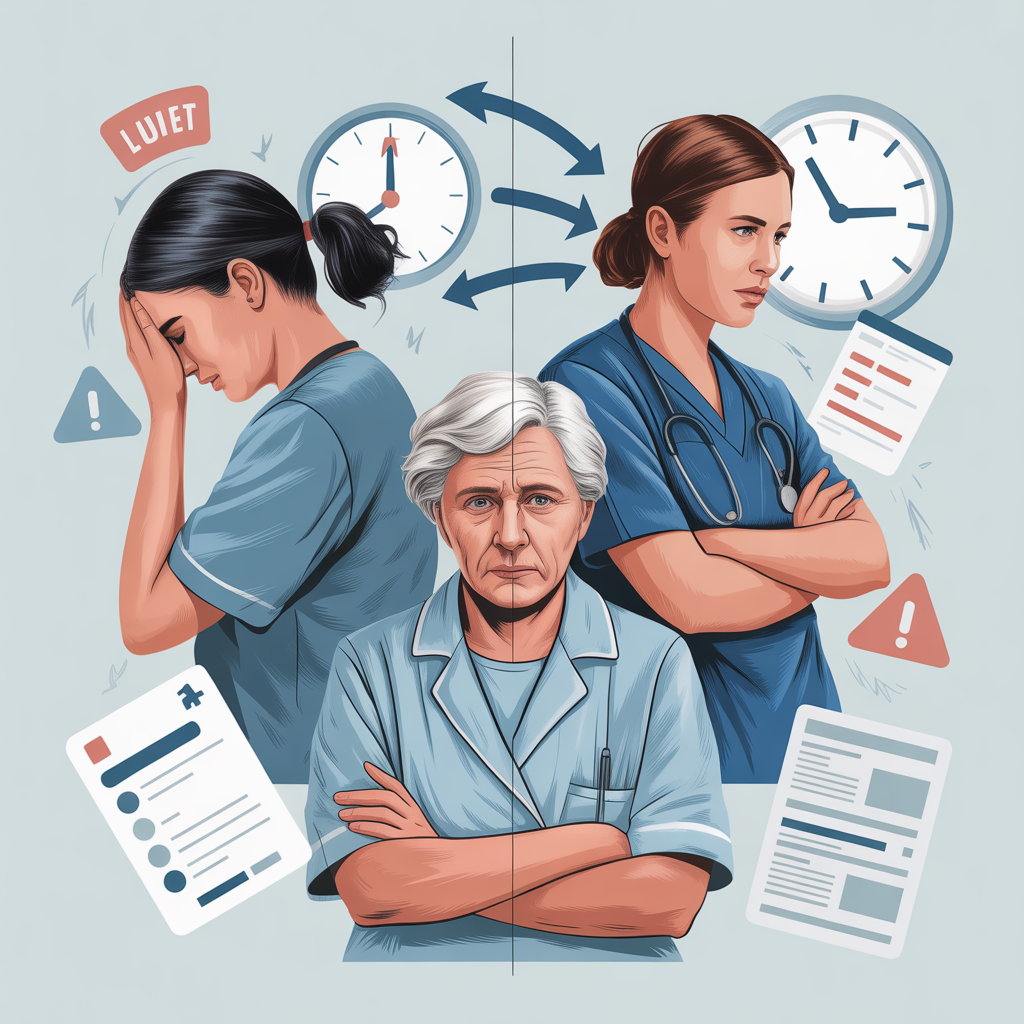
Cross-Shift Misalignment: The Silent Risk Multiplier
Dementia care is continuous.
But teams are not.
Every shift change introduces risk.
What Happens During Fragmented Handoffs
-
Observations vary in wording
-
Contributing factors are not passed forward
-
Response approaches shift unintentionally
-
Residents experience inconsistency
For individuals living with dementia, inconsistency can increase:
-
Anxiety
-
Agitation
-
Wandering attempts
-
Refusal behaviors
When handoffs lack structured clarity, instability grows.
Why Documentation Alone Isn’t Enough
Documentation systems capture what happened.
They often do not:
-
Highlight repetition trends
-
Connect events across days
-
Surface environmental contributors
-
Support aligned next steps
Without structured visibility, handoffs remain vulnerable.
Stability Requires Alignment
Communities that strengthen cross-shift alignment often report:
-
Reduced behavioral repetition
-
Improved staff confidence
-
Fewer repeated explanations to families
-
Greater leadership clarity
Dementia care stability depends on coordinated understanding.
When alignment improves, incidents decline.
0 Comments