by Bobilip | Mar 12, 2026 | Technology
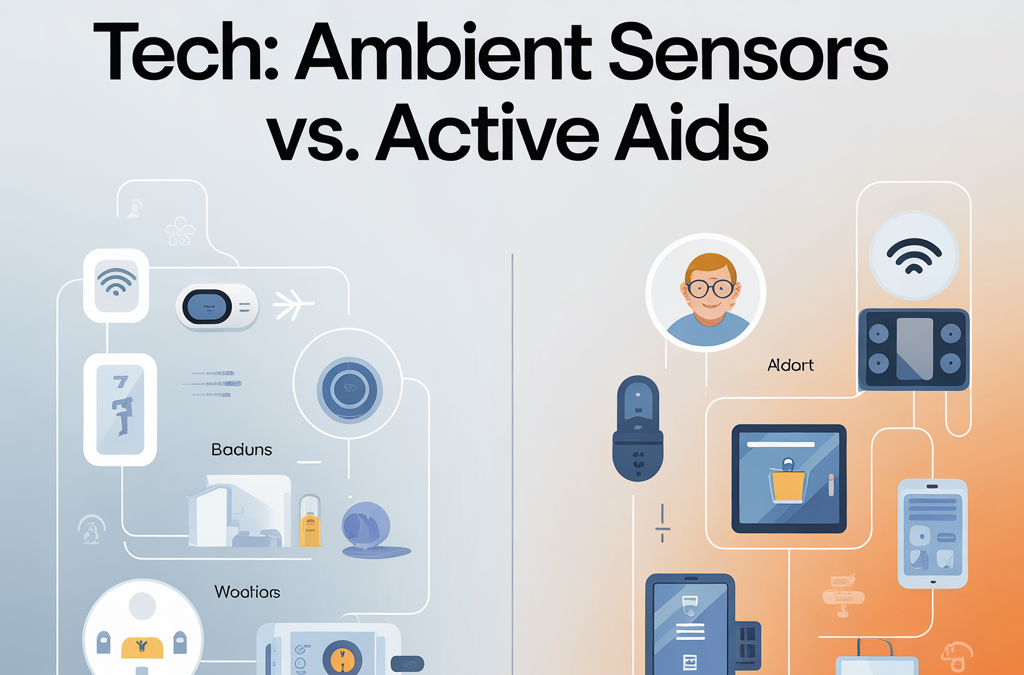
Guide to Dementia Tech: Ambient Sensors vs. Active Aids When a loved one is diagnosed with dementia, families and care facilities often rush to find technological solutions. The instinct is to buy GPS watches, panic buttons, and complex monitoring cameras. However, a...

by Bobilip | Feb 19, 2026 | Incidents
The Stability Gap in Dementia Care Why Incidents Repeat — and How Structured Visibility Reduces Risk Executive Summary Dementia care communities face persistent operational instability in the form of repeat falls, recurring behavioral escalation, wandering risk,...
by Bobilip | Feb 16, 2026 | Operations
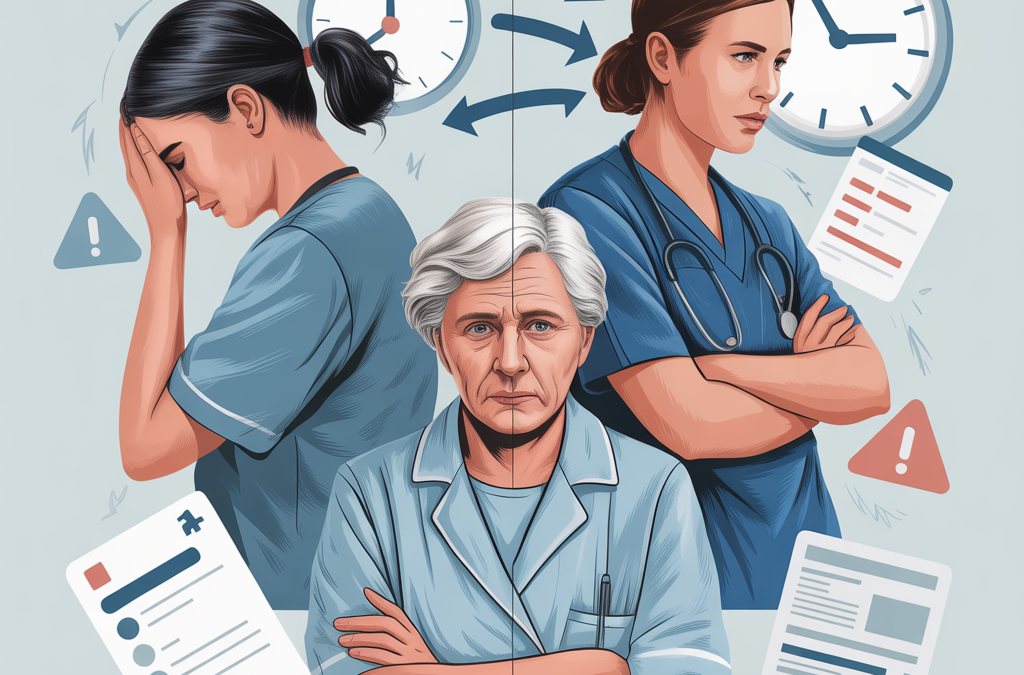
Cross-Shift Misalignment: The Silent Risk Multiplier Dementia care is continuous. But teams are not. Every shift change introduces risk. What Happens During Fragmented Handoffs Observations vary in wording Contributing factors are not passed forward Response...

by Bobilip | Feb 16, 2026 | Behaviors
Responsive Behaviors: Why Escalation Cycles Continue Escalating responsive behaviors are one of the most destabilizing elements in dementia care. What is less discussed is why escalation cycles repeat. Common Escalation Pattern Trigger occurs Resident escalates Staff...

by Bobilip | Feb 16, 2026 | Fall Prevention
Reducing Fall Risk in Dementia Units: Beyond Monitoring Fall prevention in dementia care often focuses on monitoring. Cameras. Sensors. Alarms. While monitoring has value, it does not automatically reduce repeat falls. The Problem With “Detection-Only” Strategies...
by Bobilip | Feb 14, 2026 | Incidents
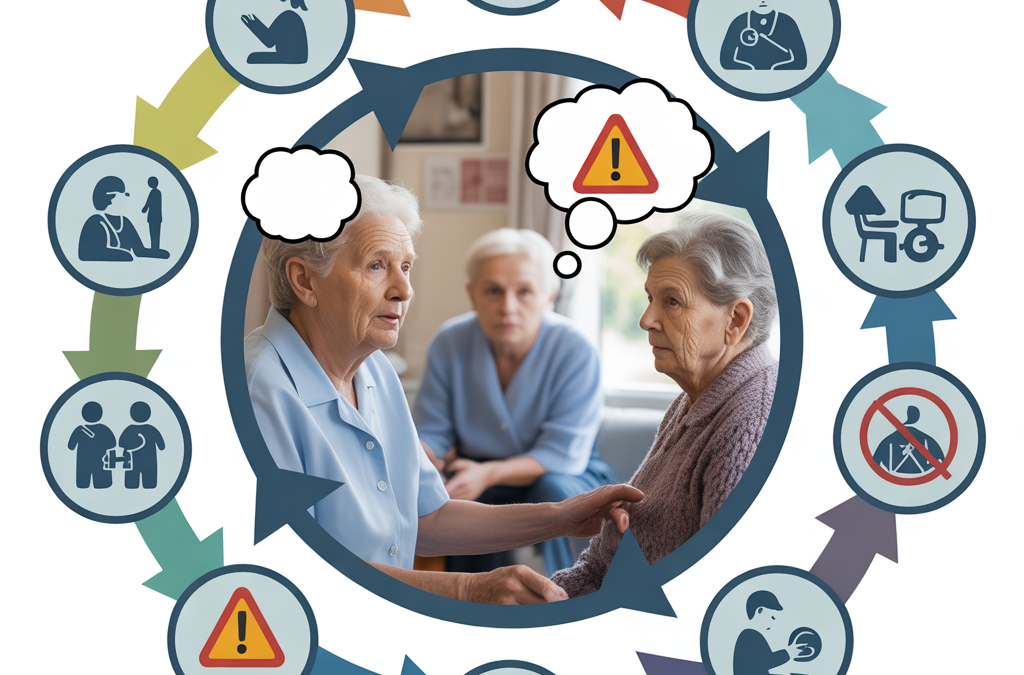
Why Incidents Repeat in Dementia Care — and What Most Communities Miss Falls repeat. Escalations repeat. Exit-seeking behaviors repeat. In many dementia care communities, these events are treated as isolated incidents. But they rarely are. Repeated incidents often...